Our Story
How a small family idea became a growing flock.
Where it began
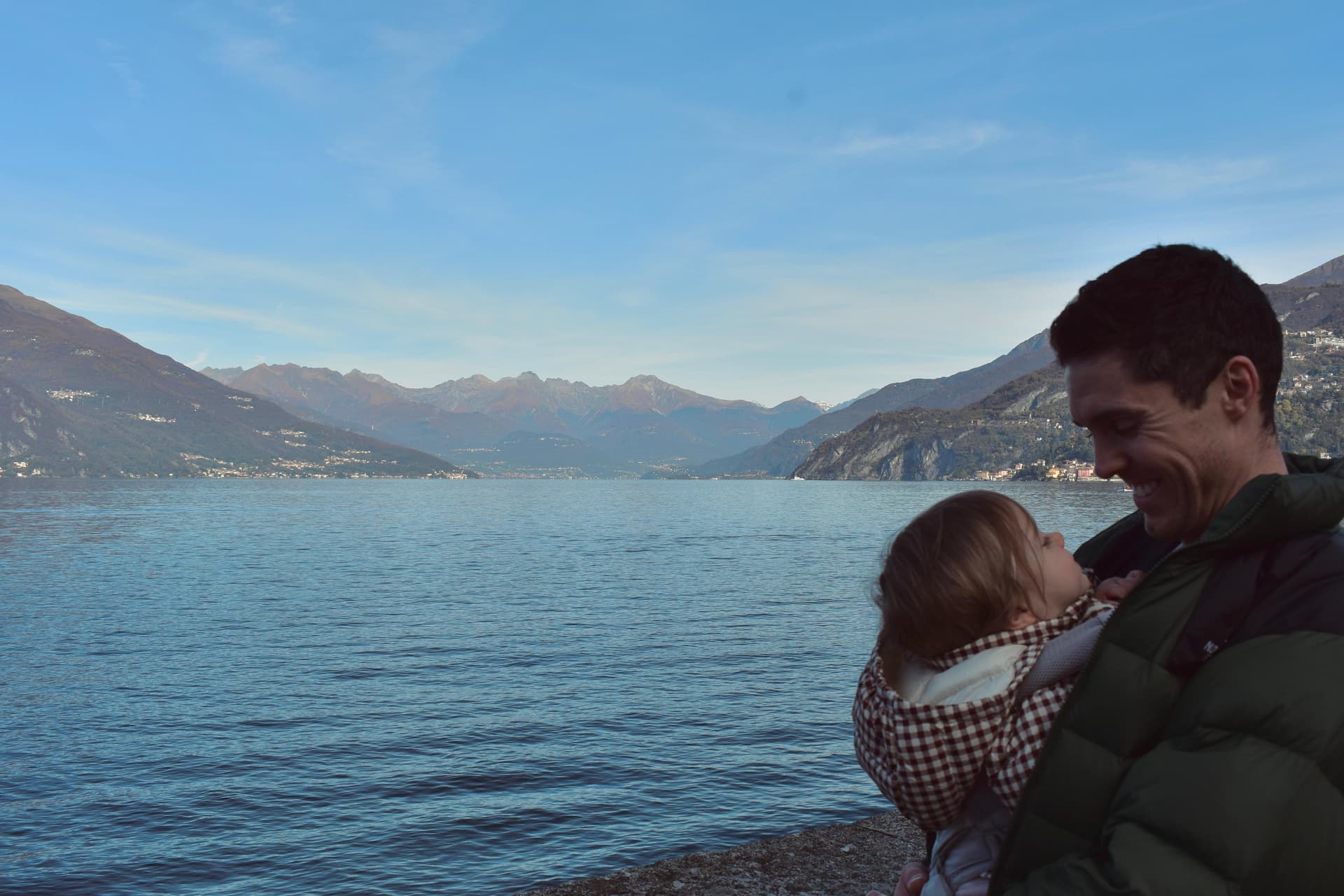
Every good thing seems to start around a kitchen table, and this one was no different. It began with a simple wish shared by two parents: to build a family life with their children at the very centre of it, with more days spent together and fewer where one of them had to disappear off to work.
What they found, as so many families do, is that the world of learning at home is full of wonder but scattered to the winds. The best museum for a rainy afternoon. The woodland that stays shaded all summer long. The little town that is itself a lesson. All of it lived in fleeting group chats, half-remembered recommendations and threads that vanished the moment you needed them. The wisdom was everywhere and nowhere at once.
Nest and Feathers grew from a single thought. What if all of that could live in one warm place, gathered and kept by the families who love it most?

The oldest kind of learning
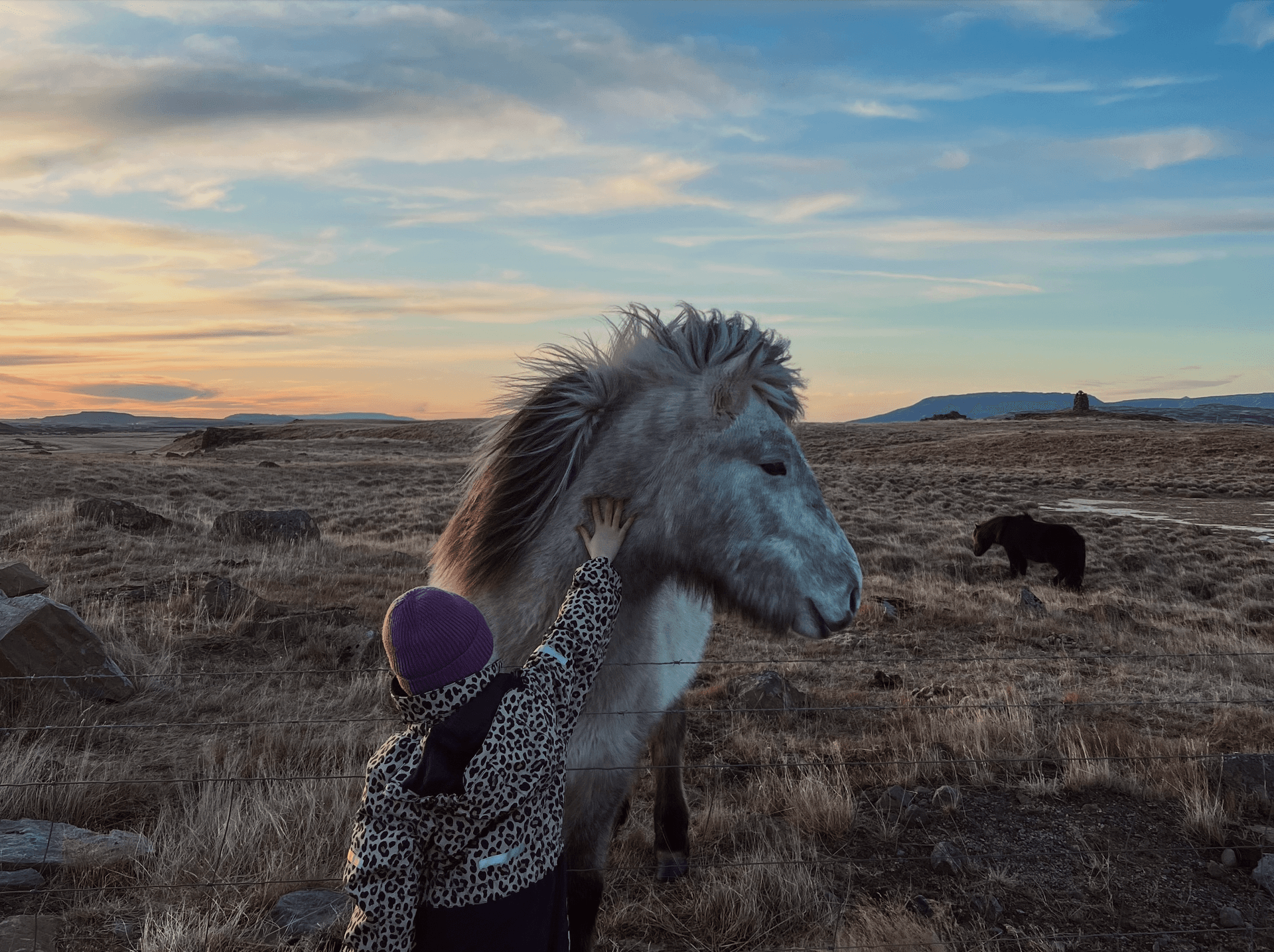
Here is something easy to forget. Learning at home is not a new idea. It is a very old one, quietly coming home again.
For most of human history, the family was the first school and the world was the second. Children learned at their parents' side, in workshops and out on the land, through trades and stories and the simple rhythm of the day. Formal schooling, the kind with desks and bells and a register, is a surprisingly recent invention. In Britain, school only became compulsory in 1880, less than a hundred and fifty years ago.
None of this is to say that one path is better than another. Families flourish in all sorts of ways, and the right choice is always the one that fits your own children. We simply find it comforting to remember that learning around the kitchen table, out in the fields and through the wider world is a tradition as old as families themselves.
The ones who showed the way
If learning at home has always been with us, there are still people who gave it shape and language, and whose ideas continue to light the path.
Charlotte Mason, an English educator born in 1842, believed something quietly radical for her time. She held that children are born persons, whole and capable, deserving of respect rather than treated as empty vessels to be filled. Education, she wrote, is ‘an atmosphere, a discipline, a life.’ She championed living books over dry textbooks, long afternoons spent in nature, short and gentle lessons, and a broad, generous education open to every child whatever their background. More than a century later, her ideas still shape the way countless families learn.
The twentieth century brought a gentle revival, led by thinkers like John Holt, who trusted children's natural curiosity and gave a name to learning that follows the child's own interests. From that spirit grew the many shapes home learning takes today. Some families follow a structure close to school, some the rhythms of Charlotte Mason, some a classical path of great books, many a happy mixture of whatever suits the child in front of them, and some let curiosity lead entirely. There is no single right way, and that is rather the point.
More recently came worldschooling, a word first used in 2008 to describe what travelling families have always known. As its champion Eli Gerzon put it, it is ‘when the whole world is your school, instead of school being your whole world.’ A market in a far-off town, a mountain path, a gallery in a city you have never visited before: all of it becomes the classroom.
A growing flock
If this all sounds like the preserve of a few unusual families, it is worth knowing how much that has changed.
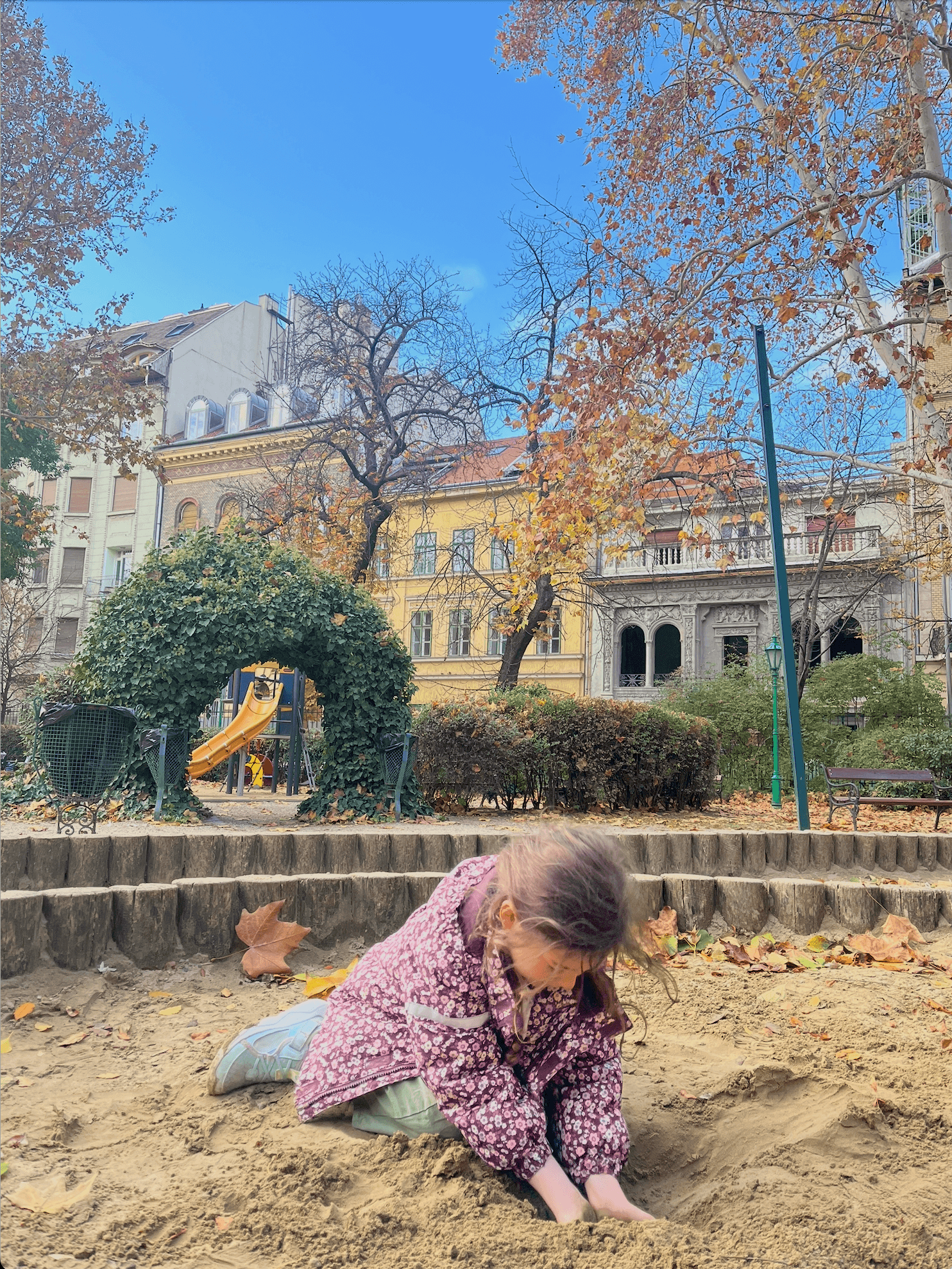
More families are choosing to learn at home than at any time in living memory. In England, the number of children learning at home reached around 126,000 by the autumn of 2025, climbing year after year, with a sharp rise from 2020 onwards as families everywhere paused to rethink what they wanted from their children's days. Across the world the story is much the same. What was once a quiet choice made by a few has become a movement of families finding their own way, together.
Moments along the way
For centuries
Home is the first school, the world the second
1880
Britain makes school attendance compulsory
1960s–70s
A gentle revival of learning at home begins
2020
Families turn to learning at home in record numbers
1842
Charlotte Mason, who shaped home learning, is born
1886
Charlotte Mason publishes Home Education
2008
Worldschooling is given its name
2025
Around 126,000 children are learning at home in England
For centuries
Home is the first school, the world the second
1842
Charlotte Mason, who shaped home learning, is born
1880
Britain makes school attendance compulsory
1886
Charlotte Mason publishes Home Education
1960s–70s
A gentle revival of learning at home begins
2008
Worldschooling is given its name
2020
Families turn to learning at home in record numbers
2025
Around 126,000 children are learning at home in England
What we're building
Nest and Feathers is our answer to all that scattered wisdom. One warm place, built by families, for families.
Feathers are the places you love and want to share, pinned to a map and brought to life by the families who have been there. Your Nest is your home within the community, where your family's story lives and your feathers are gathered. And the flock is all of us, learning from one another, one recommendation at a time.
Whether you home educate, worldschool, explore at weekends or are simply curious about a different way of learning, there is a place for you here. Step outside. Find your flock.